UX Research & AI
Master's Thesis – AI Meets Creativity: UX Design in Transition
Differences between experts and novices in using Midjourney for UX design ideation. Qualitative study with interviews and case study on integrating generative AI into the design process.
- Role
- UX Researcher
- Duration
- 3 months
- Tags
- ResearchAIMidjourneyUser Testing
Starting Point
Generative AI tools like Midjourney are changing how designers work – especially during ideation. They enable rapid visual exploration and can accelerate the creative process. But how differently do experienced and inexperienced designers use these tools? As a UX designer, I wondered how others integrate AI into their work. In my master's thesis (Human Factors), I systematically investigated the differences between experts and novices.
Problem Statement
"AI will not replace you, people using AI will" – I wanted to examine this often-quoted statement more closely. How much does the effectiveness of generative AI tools vary depending on experience level? Can beginners use AI to close the gap with experts? The literature had barely addressed the differences between experienced UX designers and beginners in using and evaluating these tools. I wanted to fill this gap with my research.
Methodology
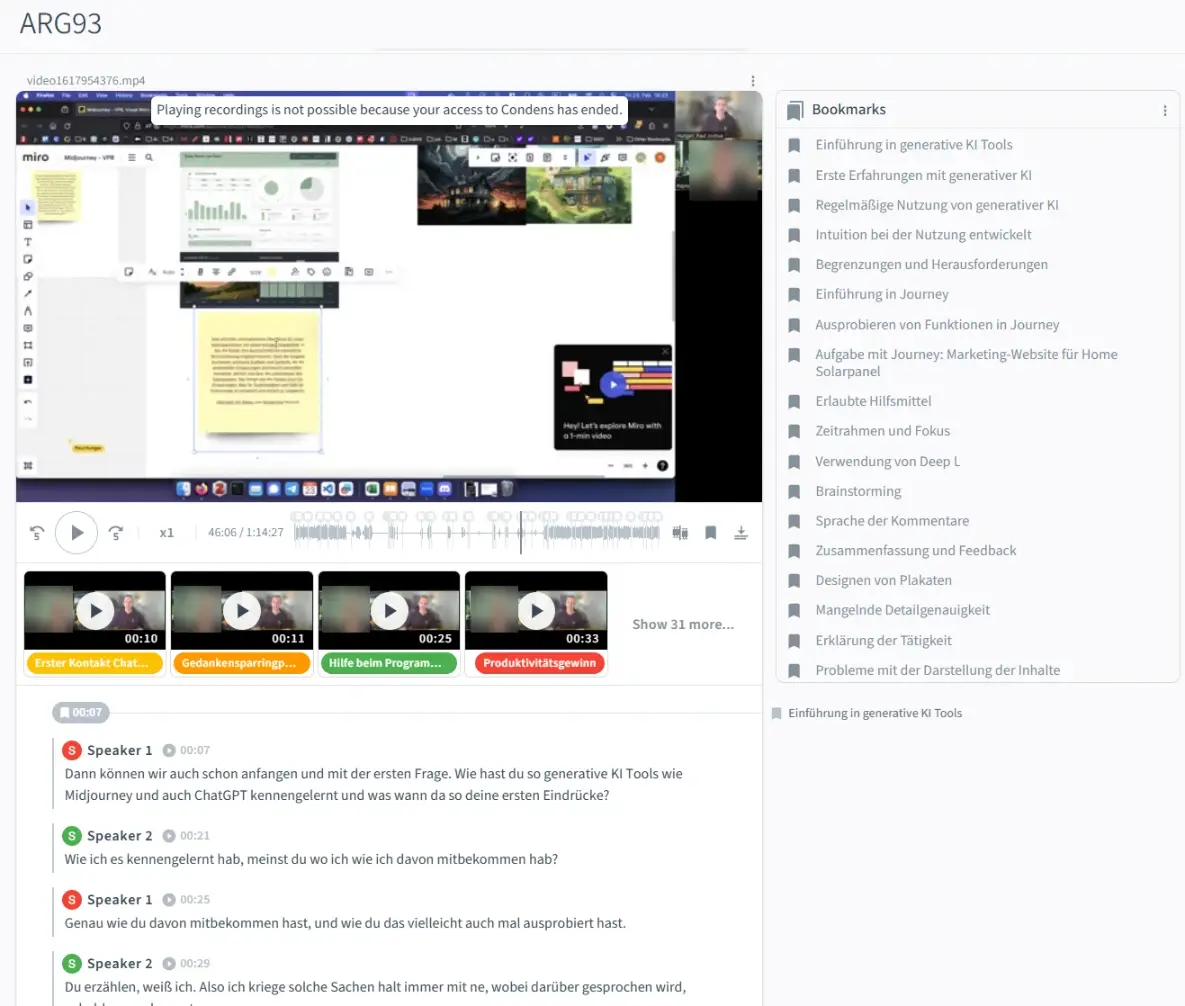
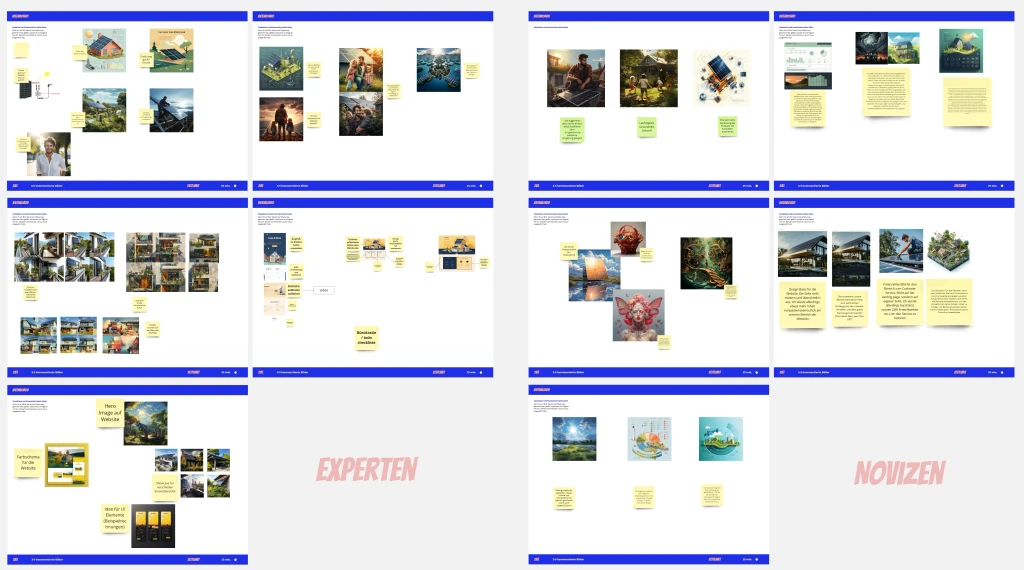
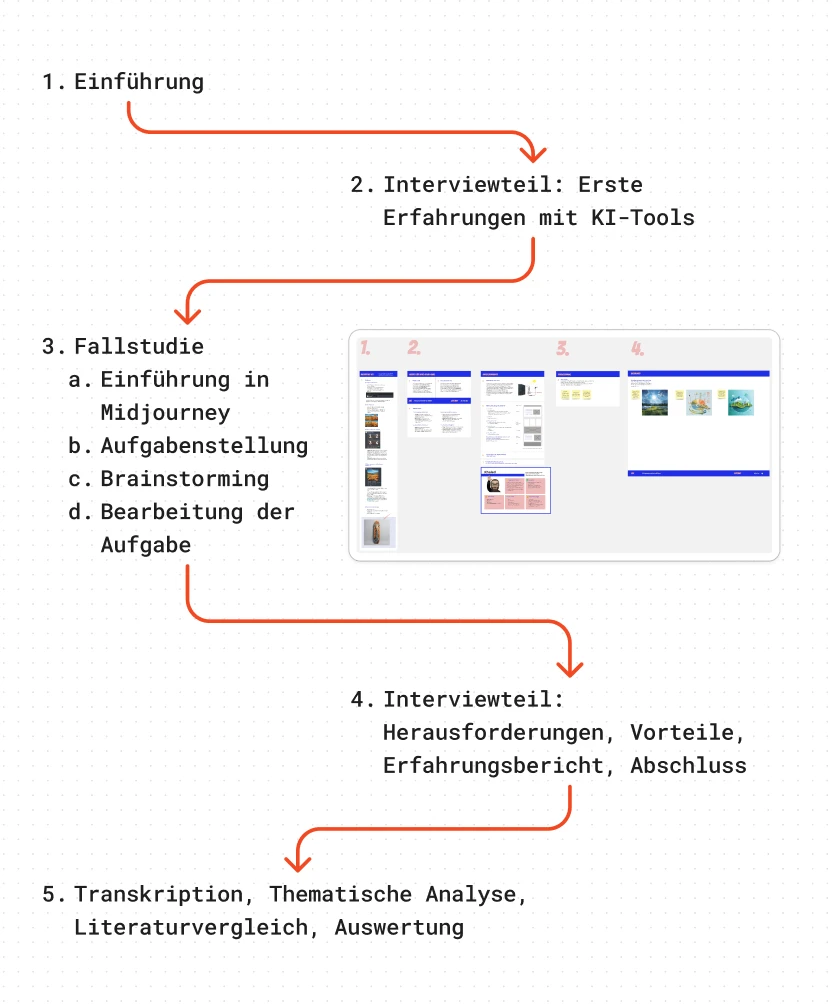
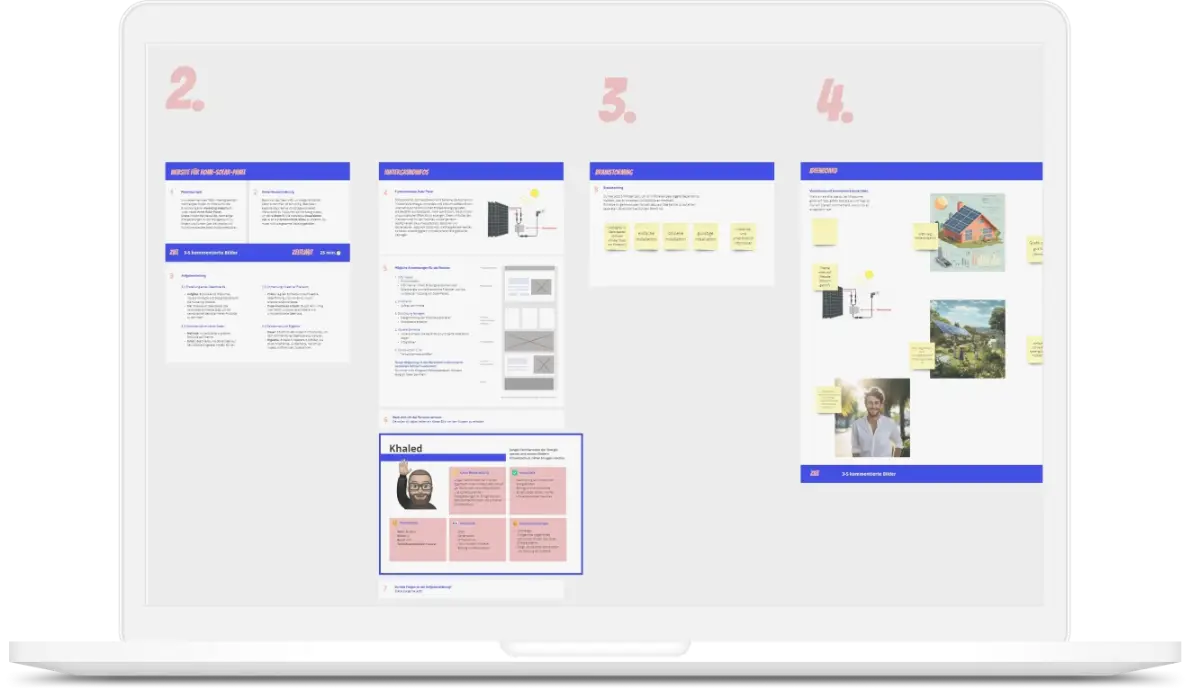
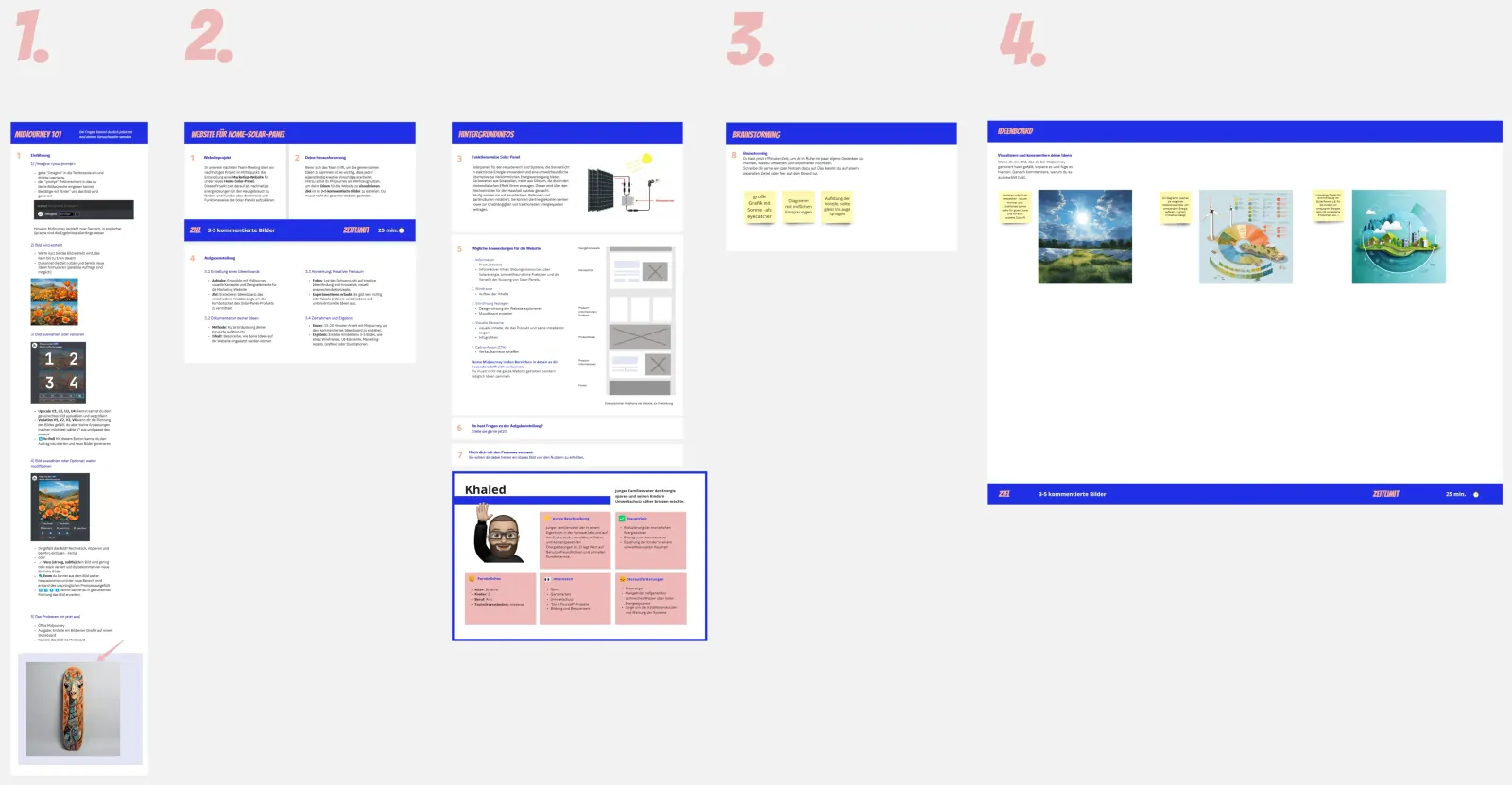
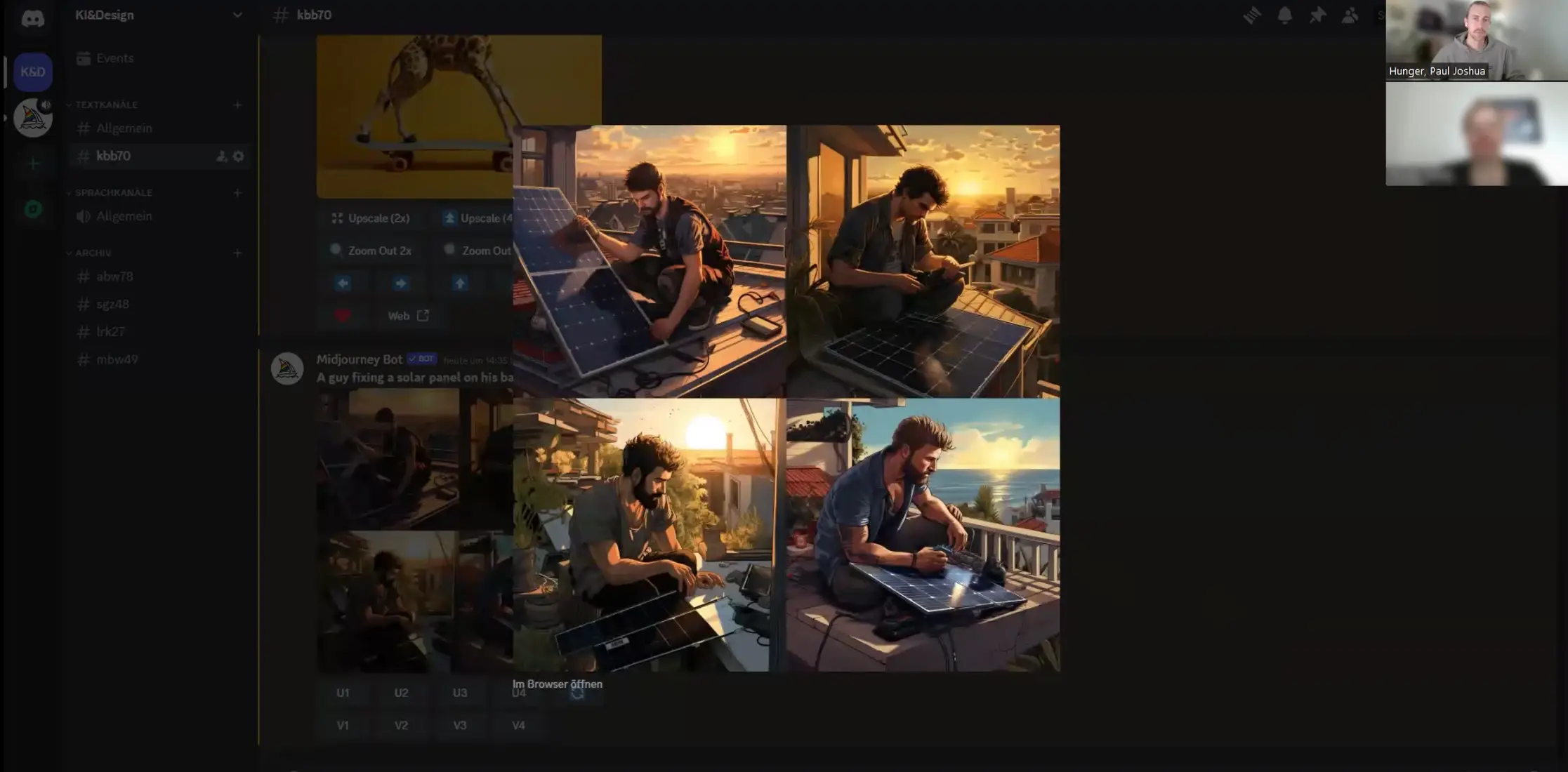
For the study, I chose a qualitative research approach with ten semi-structured interviews – 5 experts and 5 novices each. Additionally, I conducted a case study where participants used Midjourney to develop concepts, wireframes, or visual assets for a marketing website. Before the experiment, they received information materials and time to brainstorm. Results were collected on an idea board and evaluated using thematic analysis.
Key Findings
The results showed clear differences: Experts worked with targeted, structured prompts and critically evaluated AI outputs based on design principles. Novices used the tool more exploratorily but struggled with control and post-processing. Experts had clearer expectations of tool performance and integrated results more effectively into their workflow. Both groups criticized the lack of transparency in how AI results are generated.
Implications & Reflection
The study shows: Generative AI tools should specifically support different experience levels – through guidance and templates for beginners, advanced control options for experts. AI serves not as a replacement for design competence, but as a "design sparring partner." During the work, I learned a lot myself: literature research, thematic analysis, interview techniques, and the reflective use of various AI tools like ChatGPT, Midjourney, Claude, and Miro.